Category: Blog Posts

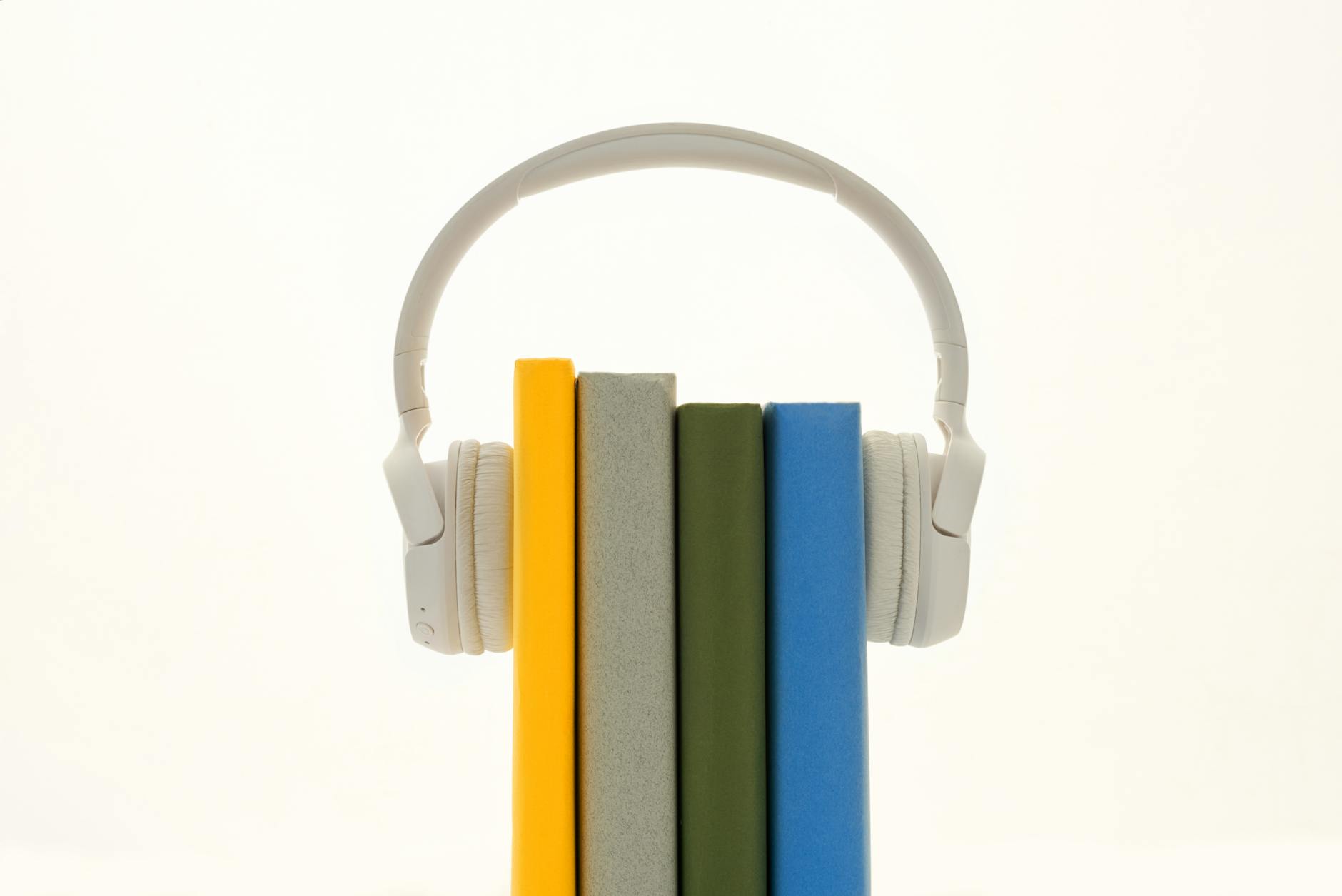
  • Overcoming Audiobook Criticism: Debunking Myths

    To this day, I’m still baffled when someone mutters that “listening to an audiobook” is not reading. Do a little search on Google or your favourite social platform and the debate will come up.


    I started listening to audiobooks a few years ago, maybe it was during the pandemic, I can’t really remember, as a way to get access to books I didn’t physically possess and to give myself a chance to immerse in a story while running, walking the dog (Luna), which later became the dogs (Luna + Coco + Oliver + Valentina), or simply walking to work.

    I used to listen at regular speed until my wife, Edna, introduced me to the amazing concept of increased speed. I don’t have anything against narrators, and some of them do an amazing job at regular speed, but some seem to have been tasked with the job of reading slowly, I guess, to catch the listener’s attention. When I come across one of those, I bump them up to a solid 1.35 or even 1.5 x speed.

    I digress.

    Those on the “audiobooks are not books” trenches, tend to argue that they are easy reads, passive rather than active, that they let your mind wander, and that they lack the spatial memory factor a physical book has.

    I’ll proceed to tell you why they’re wrong.
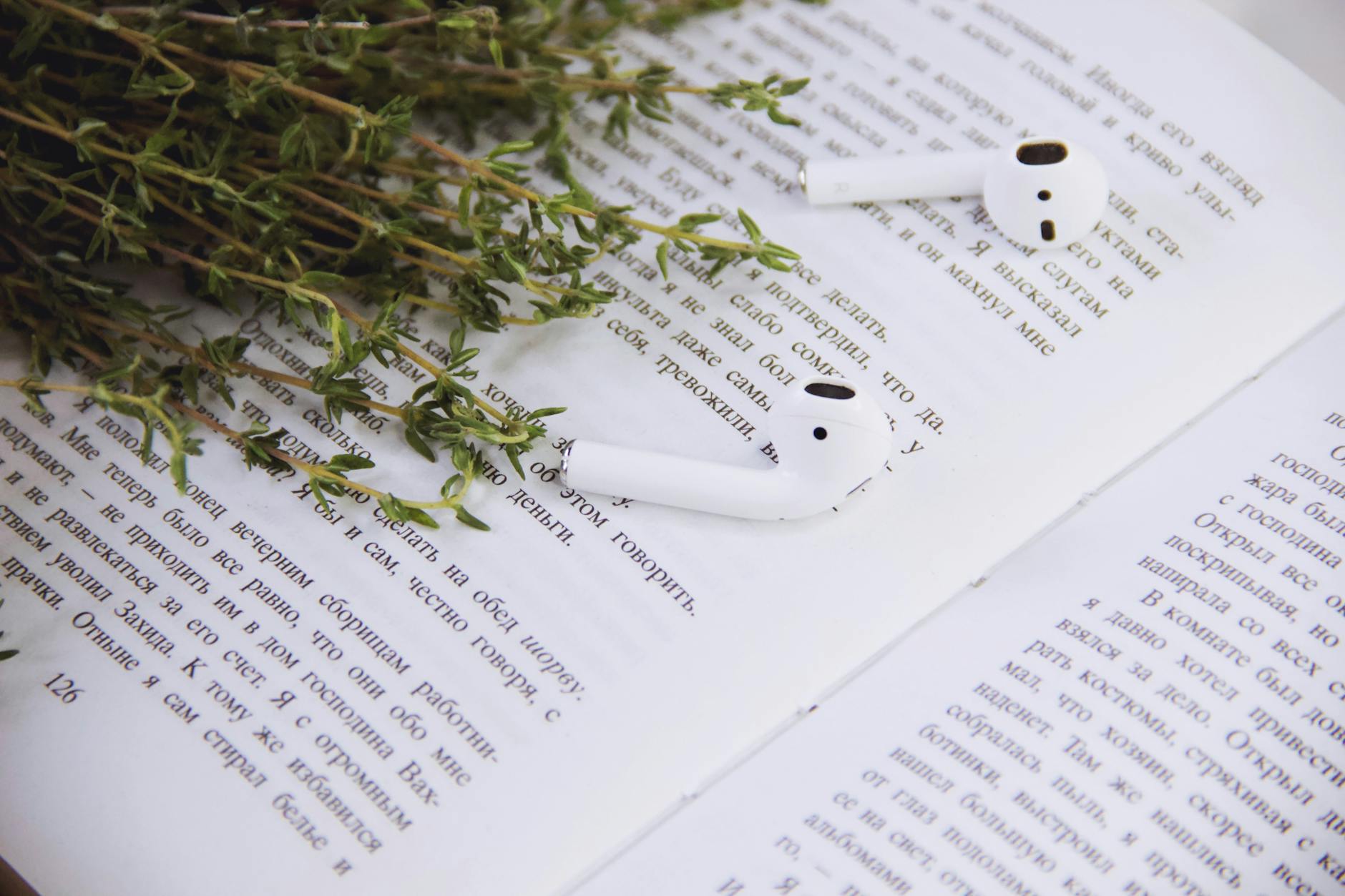
    Photo by Dina Nasyrova on Pexels.com

    Passive vs active

    Audiobook dislikers say that when you listen, your brain doesn’t work as much, that it does not translate symbols on the page into words and words into stories. You are not left wondering about what you read, your brain simply does not do enough.

    Lies.

    Listening is, in fact, how storytelling started. Our brains are wired to hear words in stories and translate those into images in our beautiful imagination.

    The Mind Wanders

    Yes, it does. Audiobooks critics say that when you’re listening, your mind wanders more often and you zone out. But don’t we do the same when we read a physical book?

    In the end, time and attention are scarce resources these days. But if the story is good, well, you don’t zone out as often, and when you do, you go back to the last big and engage again.

    In a book, you flip back a few pages. In an audiobook, you hit the precious “go back 30 seconds button” or restart the chapter. You know how many times I’ve done that? Many. Many distractions are in my way when I’m walking my pack.

    Spatial Memory

    Human beings, aka us, tend to use spatial representation when we try to remember stories. When you read an interesting part in paperback or there’s a plot twist happening, you can…

    • Remember if it was halfway through the book or at the bottom of the page.
    • Make a little note, fold the corner of a page, just me?
    • Have something tangible in your hands that helps you remember.
    • Bring to mind where you were physically when that happened.

    Oh, wait.

    With audiobooks, you can…

    • Remember if a plot twist was halfway through the audio, or at the end of a chapter.
    • Clip that moment, make a little note, although it’s true you can’t fold the corner of your phone.
    • Have something tangible in your hands that helps you remember. I’m giving you this one, hater.
    • Bring to mind where you were physically when that happens.

    I have discovered amazing authors and stories through audiobooks. Maybe I wasn’t ready to store them on my Kindle or allow them to become part of my permanent, physical library. Audiobooks helped me discover them, and more than a few have turned into physical copies that I now cherish.

    I will continue listening to audiobooks and, probably, reading about this absurd debate. Which is not a bad thing, because if there’s something the world needs right now, it is for people who think differently to communicate, to debate, not to kill each other.
  • Writing Fantasy or The Art of Building Your Own World

    Last year, I was selected to enrol in the Writing Fantasy course at Curtis Brown Creative after submitting the opening of a new novel filled with fantasy and Mesoamerican magical realism. For the purpose of this post, we’ll call it SLM.

    My course tutor was Lucy Holland, pen name of Lucy Hounsom, author of Sistersong and Song of the Huntress, among other wonderful novels. Lucy was a hands-on, approachable tutor, and I particularly appreciated how transparent she was about her own perils as a fantasy writer, and how she navigated many of the issues we encounter: story structure, point of view, choosing the right tense, selling your book, and the many other dangerous creatures lurking in the woods of the craft.

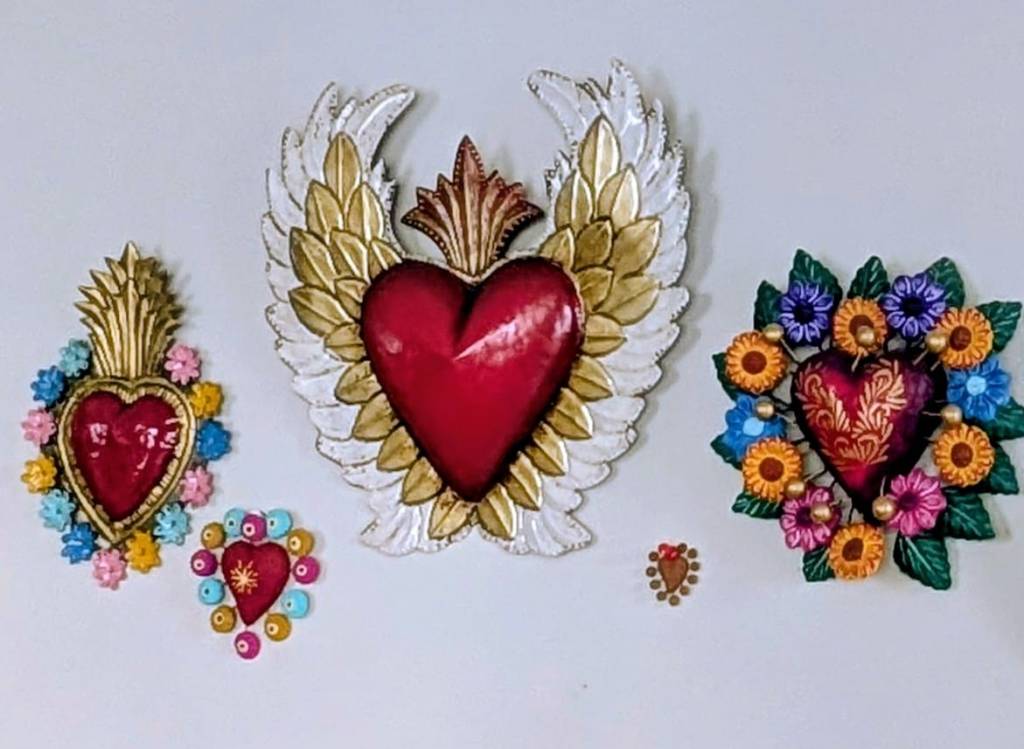
    Heart charms

    I’ve been on the other side of the screen and know how difficult it is to keep a group engaged and offer something they all feel is valuable. Lucy did it exceptionally well, in a way that made the whole group feel at ease and share openly.

    The course gave me plenty of opportunities to give and receive feedback. You get the chance to share the opening of your novel, and in return you receive feedback from everyone in the group, plus personalised comments from your tutor.

    I’m still in awe of the quality of the feedback and how generous my fellow writers were with their time and insight. It undoubtedly made SLM’s opening stronger. I was also fascinated by the diversity of writing styles, stories, points of view, and worldbuilding everyone brought to the table. It was such a good experience that we created our own post-course group, and we still meet to exchange feedback.

    Another highlight was Lucy’s tutorial. You get a one-to-one session based on a number of words you submit beforehand. I worked on a new Chapter One, leaning less into speculation and more into fantasy, and I came away happy with both the conversation and the result.

    Throughout the course, I refined not only the art of worldbuilding but also my writing craft. It’s an endless journey where every day we strive to learn something new and become better writers. It never really stops, because there’s always room to improve. But every now and then, you type a word, read it back, and realise that what you’ve learned has quietly become second nature.

    You build a new world, word by word, craft by craft.

  • When is a writer happy?

    Writing is an accumulation of effort, not a deadline reached. Just when you think you’re hitting a milestone, you encounter a new one. The job is never done. It’s constantly evolving. So the question is: when is a writer happy?

    A writer is happy along the way. And suffering along the way. It lives in a constant state of ambivalence, much like Schrödinger’s cat.

    I’m happy when a story forms in my head, one I immediately recognise as a great idea. My eyes must spark when the outline finally clicks into place, when I have a compass to guide the journey. And once I start typing — oh man, that’s one of the best feelings in the world.

    For many, typing The End is a pinnacle of exhilaration. Not for me. It gives me anxiety. Because now I have to read it and realise it’s not as great as I hoped. I know I’ll need to sit down again and reshape it. More crucially, I’ll show it to my first reader (my wife), who will break my heart with the best of intentions: honesty.

    So, is the writer finally happy after all the revisions, the edits, the beta readers’ feedback, the editor’s structural notes? After finishing the eighth or ninth draft, or whatever version finally feels finished?

    Probably not.

    Because then comes the research. Time to hunt for literary agents who might be a good fit. Time to query. After assembling the best opening 10,000 words, a compelling synopsis, and a short but unforgettable agent letter, it’s time to face rejection. The stats don’t lie: the writer will receive more rejections than requests.

    But let’s say this particular writer is lucky. They find a great agent. Are they happy now? Yes, for a moment. Then come more revisions, shaping the manuscript until it’s ready to submit to editors. Submission begins, and it can be just as bruising as the first-reader feedback. And it can take months.

    Let’s stay optimistic. An editor loves the manuscript. The writer is happy. Temporarily. Then comes another round of edits, until draft number twenty-five is done. The book gets a publication date. Is the writer happy now? Of course. But there’s little time to enjoy it. Marketing begins. Promotion. Publicity. More deadlines.

    When the book is printed, published, and on shelves, the writer might feel happy — if sales are good. Or disappointed, if they’re not. But we’re being optimistic, aren’t we? The book hits a bestseller list. The writer is euphoric.

    For a bit.

    Then comes the tour. The interviews. The pressure. The emails. The fatigue. And no time to write the next book.

    So maybe the writer is happiest when they’re back at the desk, typing the first words of the next story. Because that moment — that quiet, hopeful beginning — is the most lasting kind of joy.

    There’s nothing better than writing.

    There’s nothing more permanent.

    Everything else is fleeting.

  • Two for the price of one

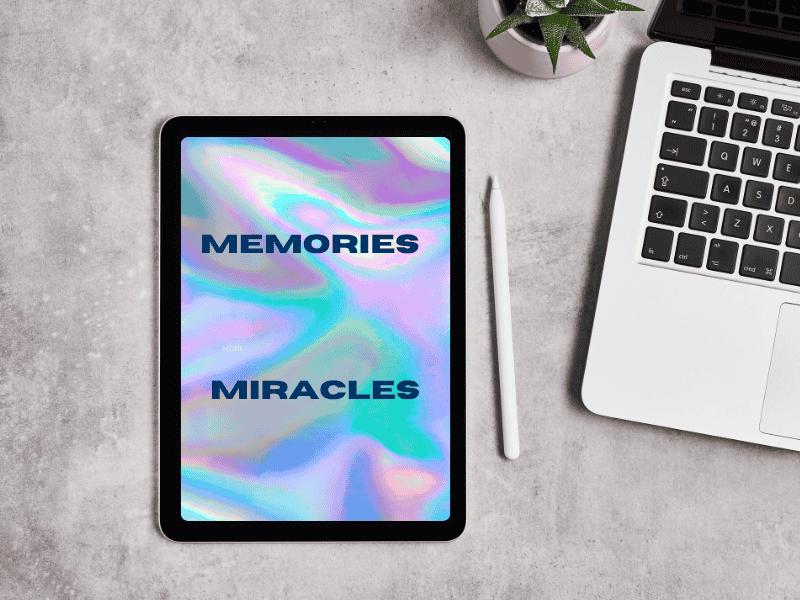
    An iPad showing the words Memories and Miracles over a dreamy background. The device is on a table and next to it an Apple pen and a macbook. There's also a flower pot with a cactus

    It’s been a while since I posted here, and this time I have strong excuses. I have been busy at work, training for a marathon, breaking my shoulder (that’s a tale for another time) and writing not one, but two books. Yes. Two books at the same time.

    I did not do it on purpose, but not really. I have been working on SMM (do not want to spoil the title yet) since 2024. It’s a story I love filled with complexity, memories, and morally dubious characters. With every revision, it gets stronger. Sometimes, I make myself believe I’m nearing the final draft – until an idea pops into my head, one to make it better. How long will it take until I can say it’s done? Until I can confidently say this is the best I can do? Who knows? Not long, I hope.

    The thing is, I decided to apply – and got selected, thank you very much – to the Curtis Brown Creative course “Writing Fantasy”. Now, for that, I had to develop an entirely new project, and luckily, an idea was brewing in the compost of my mind. I took a stab at giving it shape and voilá: a new book was created. Well, the start of a new book. I’m like 10,000 words in.

    For now, we will call it SLM, and it’s beautiful. As beautiful as a newborn is, something full of possibilities. As his father is up to me to get it in the best possible shape. There’s a long road ahead and tens of months before it gets to a beta reader.

    So, I have a literary daughter about to reach adolescence and another one just a few months old. I love to make my life complicated.

  • Another turn around the sun

    A few weeks ago, I added another number to my age — which means I’ve grown, at least arithmetically. But does that mean I’ve grown wiser, too? Hard to say on either count.

    Each passing year brings physical and mental changes — new aches, new thoughts, new memories — but not necessarily self-change. What I mean is, while our bodies shift and our minds collect experience, the internal image we hold of ourselves often stays the same.

    The mirror reflects the years — no denying that — but deep inside, the sense of who we are, of what drives us, often remains rooted, unshaken since our personality settled in.

    That version of us doesn’t care about the number on the birthday card. It listens only to the core of who we are. When it feels fulfilled, it smiles. When it’s restless or unheard, it cries.

    So maybe the real question isn’t whether we’ve gotten older — it’s whether we’ve actually grown.

  • The book of London

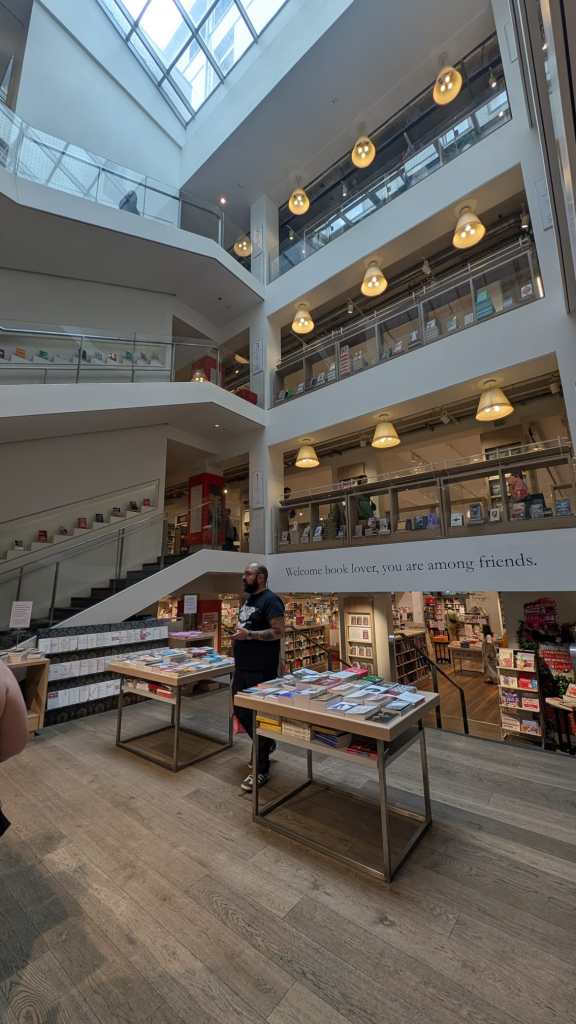
    Foyles bookshop in London, view from inside

    There’s something strikingly reassuring about stepping into a bookshop. I suppose it’s the comfort of knowing you will be surrounded by one of your favourite things in the world – if there ever is a dog bar and bookshop – that’ll be my all-time treasured place.

    It might also be the feeling that, knowing there’s so much out there we still haven’t read – we are so spoilt for choice – just stepping through the door to wander through bookshelves, becomes an act of intention.

    Which book will you pick? Which ones will you leave behind? More importantly, what unexpected book will you take home with you?

    All of this runs through my mind every time I step into Foyles on Charing Cross Road in London. I usually come armed with a list of volumes I must have, and I come out having found some – and adding unforeseen titles to my heist. And a new tote bag, of course.

    This is a personal ritual I truly look forward to every year. This time, I’ll be lucky – I get to visit twice in just a couple of months. 

    Whenever I buy a book, I make a little note inside: the place I bought it from, the date and the city. Every time I pull a book off my shelves and read the small inscription, I’m instantly transported back to the day and place where those pages and I first met. It’s a memory time machine.

    We also catalogue every book we own using Liblib, a digital inventory that helps us avoid buying the same title twice – something that, believe it or not, used to happen quite often.

    My bookshop ritual also takes me to Forbidden Planet, just a few minutes from Foyles, where I hunt down the titles I couldn’t find – particularly any SFF volumes. As you can imagine, there’s always a bit of irresistible merchandise that ends up coming home with me too.

    This year, I was also lucky enough to discover two amazing literary-loving gems: The Brick Lane bookshop (yes, in Brick Lane) and the BookBar in Islington (there’s also one in Chelsea). The first offers a boutique, curated experience, and I was thrilled to find – and buy – the English translation of Pedro Paramo by Juan Rulfo, one of my favourite books.

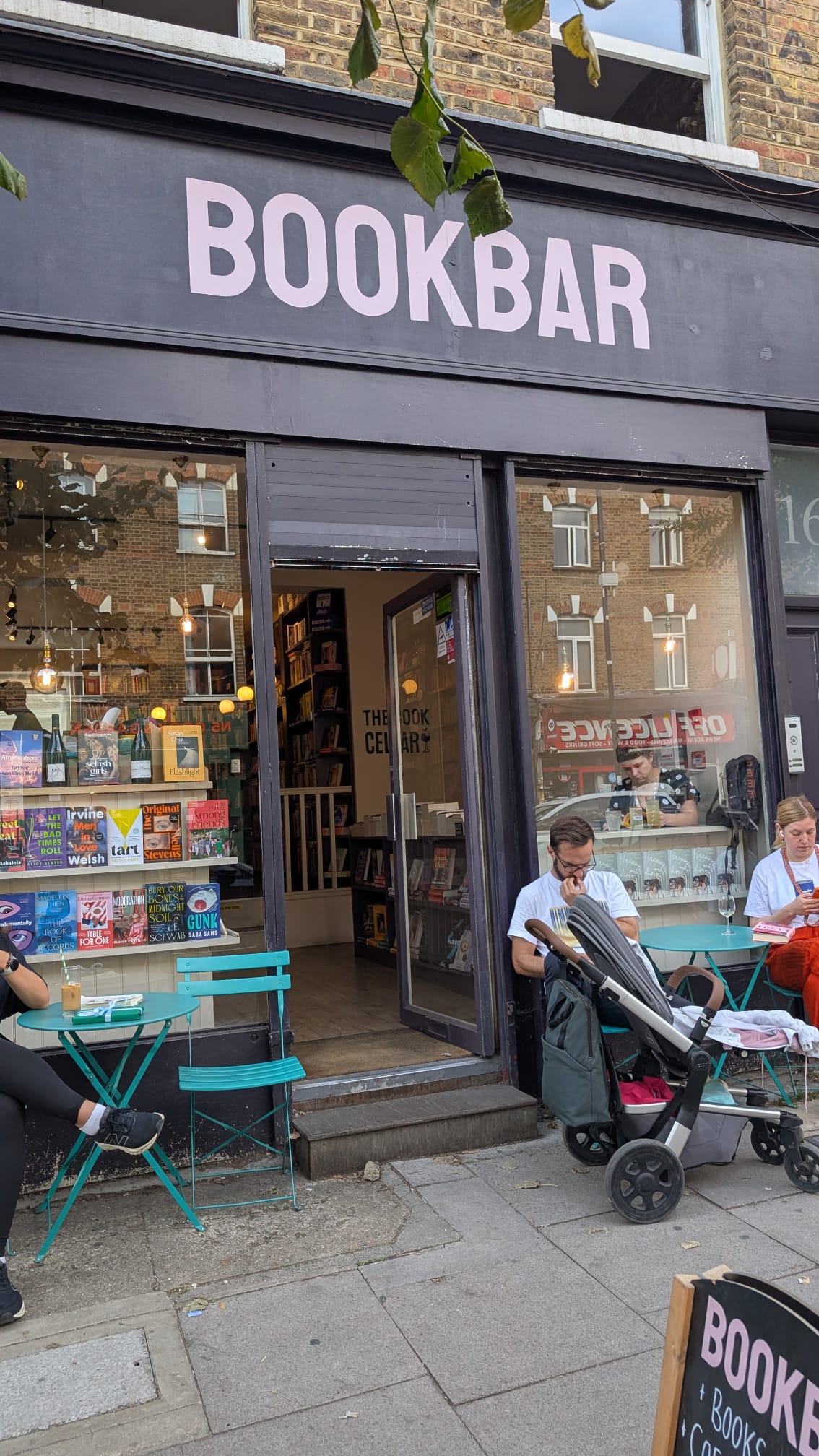
    Image of the exterior of BookBat with pink letters in Islington. People are reading outside


    BookBar is an experience in itself. It’s a small bookshop, filled with great contemporary titles – I walked out with four extras – and a cosy place to drink and read. You can sit outside with your pages, letting London life lull your senses while you’re immersed in someone else’s world, or sit inside and listen to the gentle murmur of conversations.

    I liked it so much, it might just be a mandatory bookmark in the Book of London – the one I’ve been quietly writing, page by page, with every bookshop I visit in the city.

  • Where is home?

    People ask me this question often. I suppose it makes sense — we’ve lived in many places over the years, so curiosity follows. Usually, the question comes as a gentler way of asking, “Where are you from?” or the more direct, “Where were you born?”

    But is “Where is home?” really a synonym for either of those? I don’t think so.For many, home is easy to define: it’s where they spent their childhood, where they first learned how the world works — absorbed its smells, customs, jokes, and silences. It’s tied to geography, to a set of coordinates rooted in memory.

    But for those of us who’ve been on the move — building memories in different time zones, collecting fragments of belonging across countries — the idea of home gets murkier.

    Take us, for example. My wife, two sons, and I left our country of origin decades ago. We’ve lived, worked, and grown roots in a number of cities. And in all that time, we carried our sense of home with us. It wasn’t in a place. It was in the fact that we were together.

    Home, in that sense, has been Mexico City, Madrid, London, San Francisco, Amsterdam, and Zaandam.

    Fast forward to now, and home still lives in several of those cities — because one of us is still there.

    So if you ask me “Where is home?” don’t be surprised if I answer with more than one place.

    Because to me, home is wherever the people — and dogs and cats — I love most happen to be.

  • Spain and the pleasure of reading

    If you walk through any park in Spain — I usually find myself in El Retiro with my dogs — you’ll always spot someone on a bench or sitting on the grass, completely absorbed in a book. Take the underground, and you’ll see several commuters spending time in pages, whether seated or standing. 

    Reading is a beautiful and common activity in this country. In fact, according to the Ministry of Culture of Spain, 75.3% of people aged between 14 and 24 years old read a book in their free time last year. 

    The author Elvira Sastre signing a copy of one of her books at the Book Fair in Madrid

    Every year, the Book Fair in Madrid (May-June) or St Jordi in Barcelona (April) attract thousands of people who buy new titles, get them signed by their favourite authors, or attend panels and conversations about the written word.

    (Elvira Sastre signing us a copy of
    “Las Vulnerabilidades” at the Madrid Book Fair in 2024.)

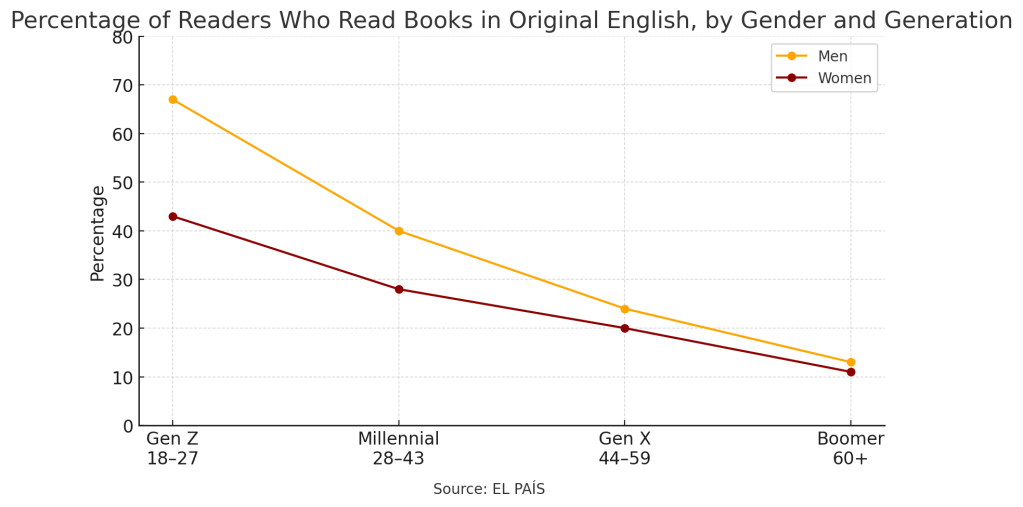
    A couple of trends are particularly interesting. One is the fact that younger generations in Spain (over 50% of 18 to 27 year olds) prefer to read books originally published in English in that language, rather than in translation. 

    This, of course, signals a shift in language behaviour and the inevitability of cultural globalisation among readers – although it poses a challenge for translators, and a reduced income for writers who typically earn more from Foreign Rights and translations than from original copies sold overseas.

    The second trend – both are taken from a survey commissioned by the Spanish newspaper El País —has to do with favourite genres. Those in the publishing industry know that over the last few years the new kids in the block are Romance and Fantasy. Both genres are attracting an increasing number of readers and Spain is no exception.

    Almost 70% of readers between 18 and 27 years of age read Fantasy, while almost 50% of men over 60 enjoy it too. The Boomers are increasingly enjoying fantastical worlds once considered exclusive to middle graders.

    If you want to speculate about the reasons behind it, I’d recommend this podcast with literary agent Sarah Londis who points to Harry Potter, among other influences. She also does a great job defining speculative fiction, fantasy and science fiction genres. 

    But in case you want to go beyond numbers and statistics, just take a stroll through any neighbourhood in Madrid and you’ll find plenty of bookshops. I have six temples of words within a five-minute walk. 

    That is my definition of paradise.

  • Three books earning shelf space

    It’s often said that in order to be a writer, one must make himself a reader. In essence, I think that’s a true statement – but in reality I feel I am a reader and a writer, sometimes they come as a bundle, but more often than not, I am one or the other.

    In fact, I read before I wrote. I spent countless hours as a kid immersed first in Choose Your Own Adventure, and Can You Solve the Mystery?, before becoming a fan of Arthur Conan Doyle and later – in my teen years – of Edgar Allan Poe, Jack London and Ray Bradbury. At some point in that journey, I was engulfed by speculative fiction and magical realism, and the hunger for those words has never left me.

    As a reader, I enjoy the time I set aside to plunge into other people’s worlds, and as a writer, I admire, learn from, and get influenced by big ideas captured in craftily constructed sentences. 

    Half the year is gone and I’ve read forty-seven books so far. Some are new or have been published in the last couple of years; others have aged for decades or even centuries. I can talk at length about at least fifteen of them, but let me be economical and only share three titlesI’ve read this year that are here to stay – in my bookshelves.

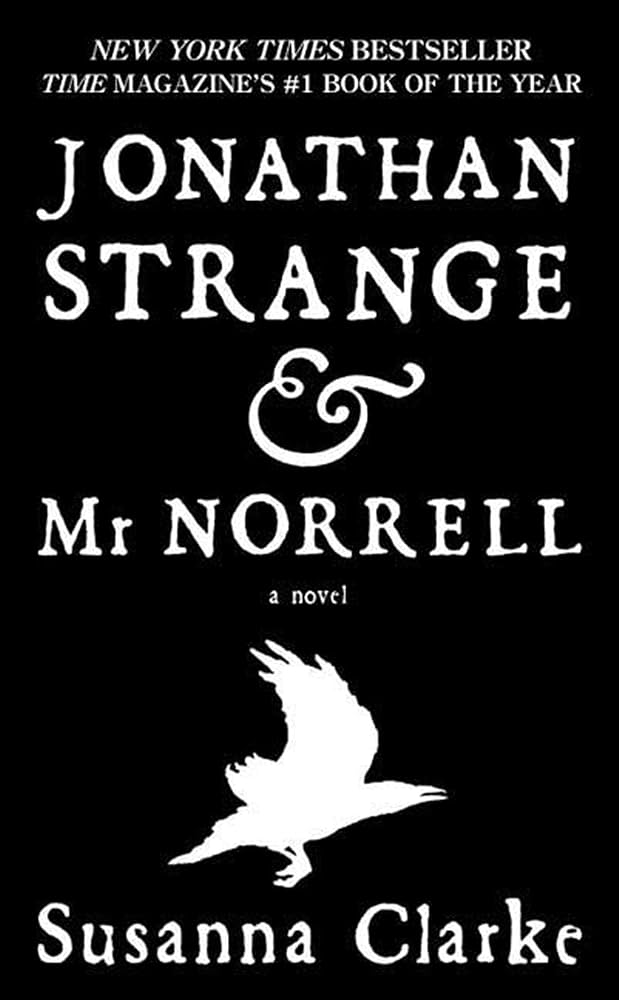
    1. Jonathan Strange & Mr Norrell by Susanna Clarke (Bloomsbury Publishing, 2004)

    I got to this book the long way around, after reading the wonderful Piranesi. It’s a thick book full of delightful footnotes that add to the worldbuilding Clarke created, referencing fictional books and tales that make you believe magic in England is a real thing. 

    The arc of both main characters is well thought out, and although most readers will cheer for Jonathan Strange, the reality is that the two practical magicians of Britain are deeply flawed.

    One can only aspire to write at this level. One can only be delighted to have read it.

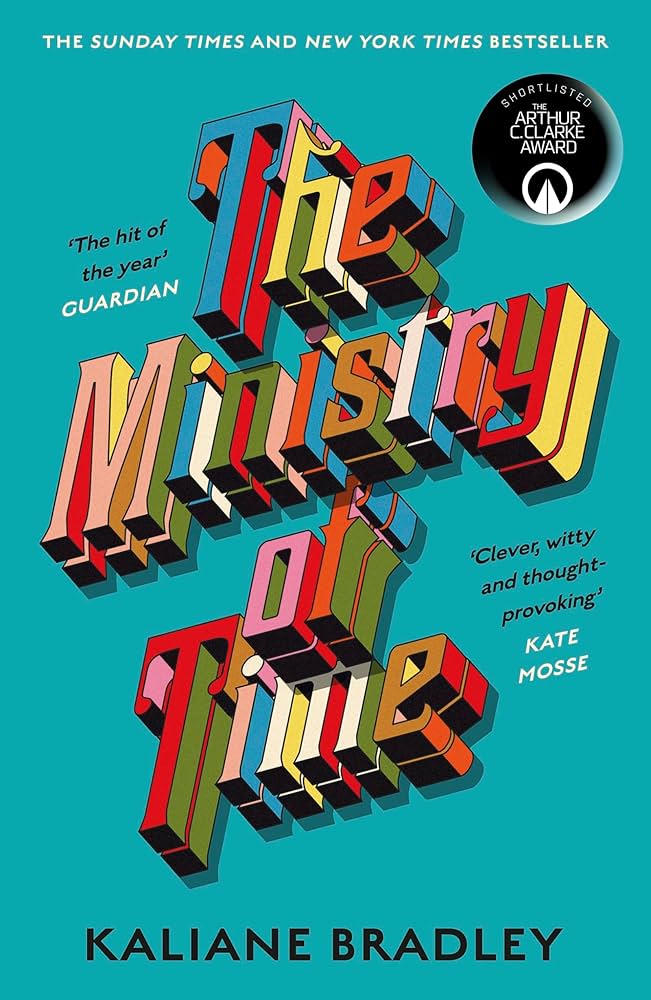
    2. The Ministry of Time by Kaliane Bradley (Hodder & Stoughton, 2024) 

    Somehow I had been living in a cave, unaware of this near-future time travel amazement. It’s not just my fascination with time travel in general – it’s the fact that the present is both the future and the past in this story.

    I also didn’t know it had links to the doomed Arctic expedition of HMS Terror and HMS Erebus. Like Bradley, I was a big fan of The Terror, the AMC TV series that sparked this What if? plot. 

    Art creates art that creates art.

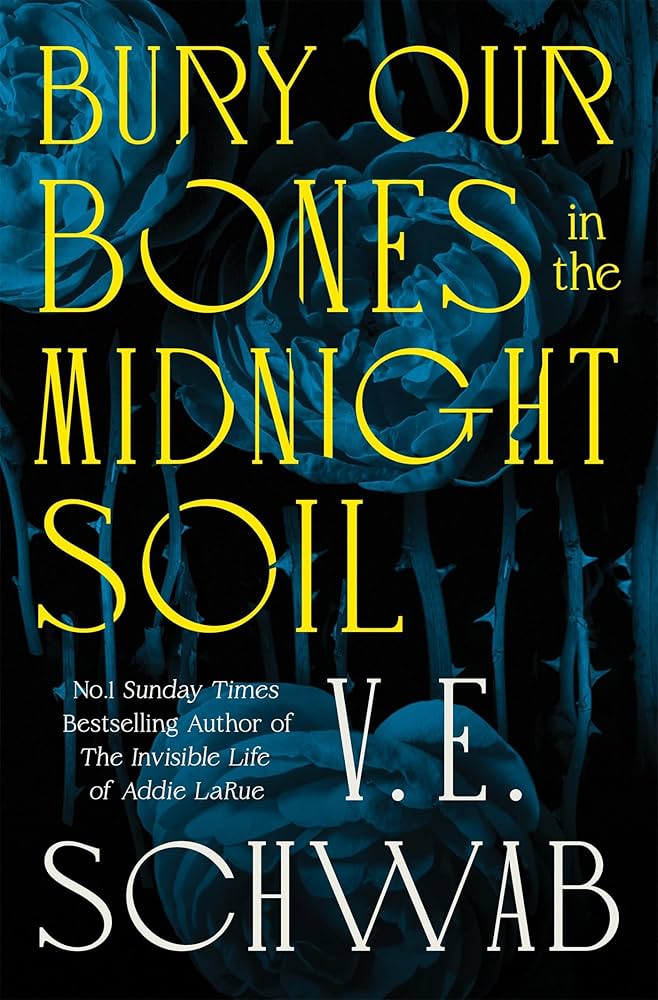
    3. Bury Our Bones in the Midnight Soil by V. E. Schwab (Tor Books, 2025)

    I liked this as much as I liked The Invisible Life of Addie LaRue. Perhaps it’s the historical journey through different parts of Europe, the characters who change over centuries, or the fact that – despite lesbian vampires being at its core – the story remains grounded.

    I think the words and the narrative flow seamlessly in a world that takes one fantastical creature and spins it on its head, ditching some rules (mirrors, for instance) and bringing in new ones to surprise and delight.

    Several well-thought-out lines are spread throughout the pages, and it was a real page turner for me.

    I’ll be back at the end of the year with three more books earning a shelf.

  • The discipline of suffering

    There’s something about a writing deadline that gives you sudden, sharp focus. I think it’s the knowledge that you have a limited number of days, hours, and minutes to make the words as perfect as they can be.

    These deadlines come in all shapes and sizes. It might be your editor waiting for the text; it could be your own self-inflicted timeline — you need to finish it so you can move on to the next thing on your list.

    But perhaps there’s nothing like the deadline of a submission — the knowing that the end is just the beginning.

    Once your words have been polished, the format crafted to perfection — and the fees paid — you upload your file and hit the submission button.

    Maybe you are hoping your story will be selected by a magazine. Maybe you are querying an agent. Perhaps you are submitting to a publisher, or to an award you hope to be longlisted for.

    That’s why the moment your finger taps it, or your mouse clicks it, the submit button is just a page-turner. A new chapter is about to begin. It’s called the wait and it’s not great. It kind of reminds me of watching a TV series where you have to wait a whole week for the new episode to drop.

    And when the moment finally arrives, excitement or disappointment turn out to be another page-turner. If things go your way, you’ll be happy — for a while — until the itchiness start again. If you get a rejection — which tends to happen 99% of the time — you’ll feel down. It’s normal. It may last hours, days, or week. In the end, you’ll go back to writing.

    Putting pen to paper, or tapping the keyboard to create bits, is a constant. A continuous enterprise made possible by the discipline of suffering.

    Almost all is subjective. You just have to keep going.