Tag: fiction

  • Writing Fantasy or The Art of Building Your Own World

    Last year, I was selected to enrol in the Writing Fantasy course at Curtis Brown Creative after submitting the opening of a new novel filled with fantasy and Mesoamerican magical realism. For the purpose of this post, we’ll call it SLM.

    My course tutor was Lucy Holland, pen name of Lucy Hounsom, author of Sistersong and Song of the Huntress, among other wonderful novels. Lucy was a hands-on, approachable tutor, and I particularly appreciated how transparent she was about her own perils as a fantasy writer, and how she navigated many of the issues we encounter: story structure, point of view, choosing the right tense, selling your book, and the many other dangerous creatures lurking in the woods of the craft.
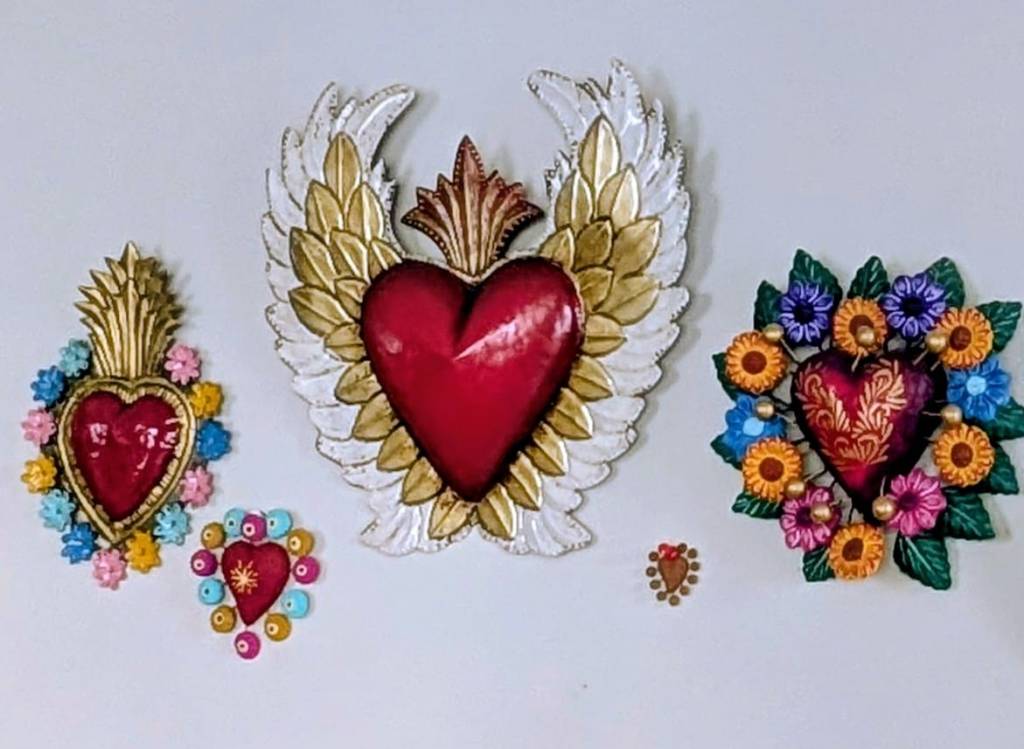
    Heart charms

    I’ve been on the other side of the screen and know how difficult it is to keep a group engaged and offer something they all feel is valuable. Lucy did it exceptionally well, in a way that made the whole group feel at ease and share openly.

    The course gave me plenty of opportunities to give and receive feedback. You get the chance to share the opening of your novel, and in return you receive feedback from everyone in the group, plus personalised comments from your tutor.

    I’m still in awe of the quality of the feedback and how generous my fellow writers were with their time and insight. It undoubtedly made SLM’s opening stronger. I was also fascinated by the diversity of writing styles, stories, points of view, and worldbuilding everyone brought to the table. It was such a good experience that we created our own post-course group, and we still meet to exchange feedback.

    Another highlight was Lucy’s tutorial. You get a one-to-one session based on a number of words you submit beforehand. I worked on a new Chapter One, leaning less into speculation and more into fantasy, and I came away happy with both the conversation and the result.

    Throughout the course, I refined not only the art of worldbuilding but also my writing craft. It’s an endless journey where every day we strive to learn something new and become better writers. It never really stops, because there’s always room to improve. But every now and then, you type a word, read it back, and realise that what you’ve learned has quietly become second nature.

    You build a new world, word by word, craft by craft.
  • The discipline of suffering

    There’s something about a writing deadline that gives you sudden, sharp focus. I think it’s the knowledge that you have a limited number of days, hours, and minutes to make the words as perfect as they can be.

    These deadlines come in all shapes and sizes. It might be your editor waiting for the text; it could be your own self-inflicted timeline — you need to finish it so you can move on to the next thing on your list.

    But perhaps there’s nothing like the deadline of a submission — the knowing that the end is just the beginning.

    Once your words have been polished, the format crafted to perfection — and the fees paid — you upload your file and hit the submission button.

    Maybe you are hoping your story will be selected by a magazine. Maybe you are querying an agent. Perhaps you are submitting to a publisher, or to an award you hope to be longlisted for.

    That’s why the moment your finger taps it, or your mouse clicks it, the submit button is just a page-turner. A new chapter is about to begin. It’s called the wait and it’s not great. It kind of reminds me of watching a TV series where you have to wait a whole week for the new episode to drop.

    And when the moment finally arrives, excitement or disappointment turn out to be another page-turner. If things go your way, you’ll be happy — for a while — until the itchiness start again. If you get a rejection — which tends to happen 99% of the time — you’ll feel down. It’s normal. It may last hours, days, or week. In the end, you’ll go back to writing.

    Putting pen to paper, or tapping the keyboard to create bits, is a constant. A continuous enterprise made possible by the discipline of suffering.

    Almost all is subjective. You just have to keep going.

  • Here came the sun

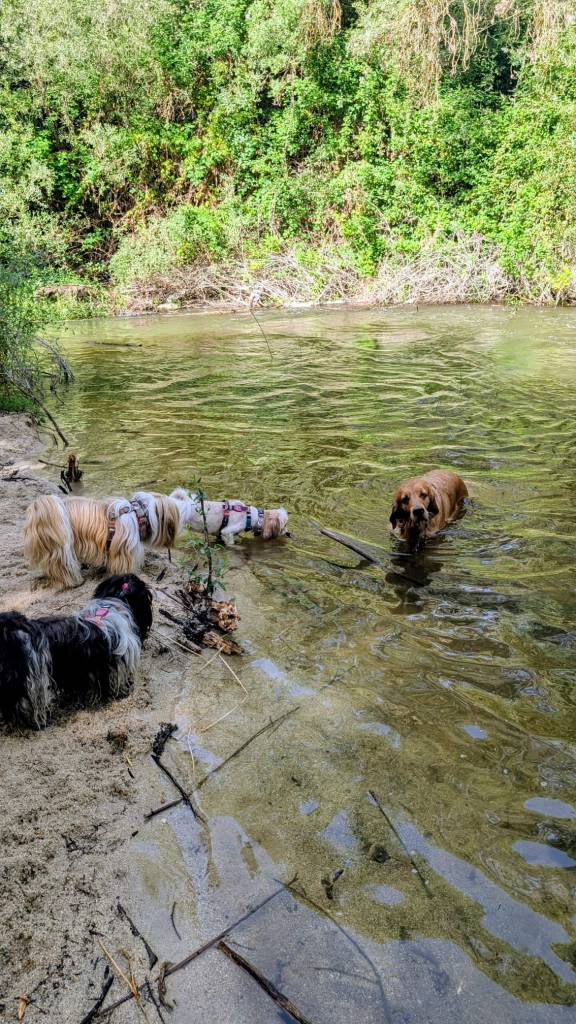
    The sun has been relentless and unforgiving this June across Europe. Living in Madrid, I haven’t escaped its punishment — nor have my dogs, who now get their playing time early in the morning and very late at night. In between, they live in an eternal siesta lull, broken only by a quick bathroom break beneath the shade.

    Funnily enough, I was doing the maths the other day and realised that, on this summer schedule, they get almost an hour of extra activity.

    And something similar is happening to me. No, I’m not having more siestas (well maybe one on the weekends), but I am adjusting myself to the heat — and I’ve realised that I am reading more than ever.

    For about eight years,  I’ve joined the Goodreads Challenge as a way to give me a target and a deadline to tackle my ever-growing list of to-be-read books. As I write this, there are 192 fiction books  and 80 non-fiction titles waiting. I am obviously not going to get through that list this year — or next, for that matter, but I’m making great progress in this year’s challenge. I aimed to read 75 and I’ll probably reach 80.

    To me, reading is like breathing. If I don’t get the chance to dive into the books I love — even for just a few minutes each day — my energy lags and my spirit crumbles. I read as a reader, immersing myself in stories and worlds, suffering or journeying with the characters. And I read as a writer, admiring a well crafted prose, a line that is superb, words that drive feelings. It has its risks, though. Sometimes  — recently, very often — I’ll read something that makes me think, ‘I might not be this good’. 

    But then I remember: it’s not about comparisons, it’s about learning. If I am lucky enough to read a beautifully written book — a story I don’t want to put down — that’s food for my brain. Art, writing, is all about throwing every line, every idea into a compost bin, until it gives life to something new. 

    And I like to think that my dogs feel the same way. I don’t believe they run through the park or swim in the river wondering often how other dogs are doing. If they see them — or sniff them — they might pick up a thing or two, and then carry on running and playing. Happier to have learned something new.