
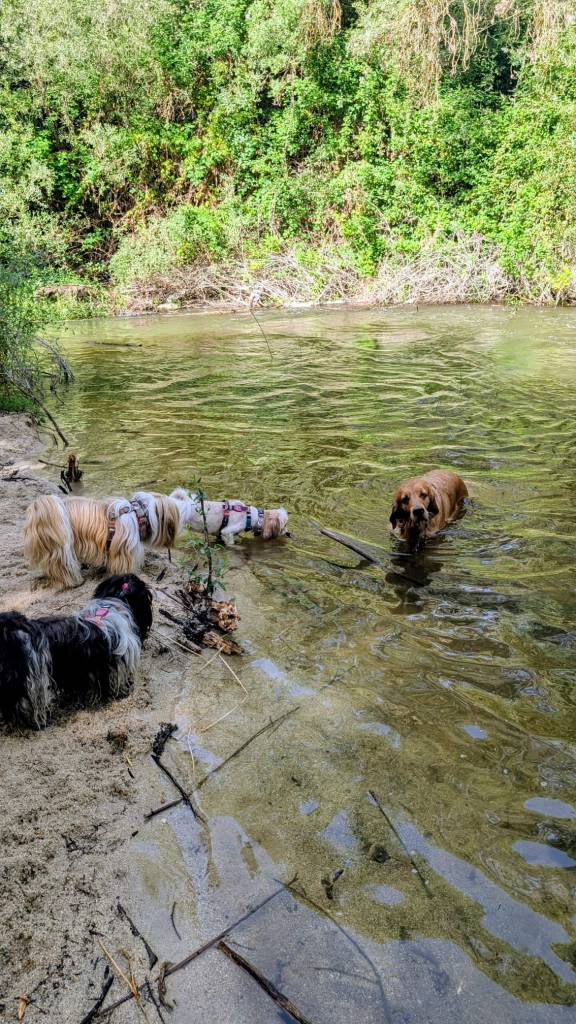
The sun has been relentless and unforgiving this June across Europe. Living in Madrid, I haven’t escaped its punishment — nor have my dogs, who now get their playing time early in the morning and very late at night. In between, they live in an eternal siesta lull, broken only by a quick bathroom break beneath the shade.
Funnily enough, I was doing the maths the other day and realised that, on this summer schedule, they get almost an hour of extra activity.
And something similar is happening to me. No, I’m not having more siestas (well maybe one on the weekends), but I am adjusting myself to the heat — and I’ve realised that I am reading more than ever.
For about eight years, I’ve joined the Goodreads Challenge as a way to give me a target and a deadline to tackle my ever-growing list of to-be-read books. As I write this, there are 192 fiction books and 80 non-fiction titles waiting. I am obviously not going to get through that list this year — or next, for that matter, but I’m making great progress in this year’s challenge. I aimed to read 75 and I’ll probably reach 80.
To me, reading is like breathing. If I don’t get the chance to dive into the books I love — even for just a few minutes each day — my energy lags and my spirit crumbles. I read as a reader, immersing myself in stories and worlds, suffering or journeying with the characters. And I read as a writer, admiring a well crafted prose, a line that is superb, words that drive feelings. It has its risks, though. Sometimes — recently, very often — I’ll read something that makes me think, ‘I might not be this good’.
But then I remember: it’s not about comparisons, it’s about learning. If I am lucky enough to read a beautifully written book — a story I don’t want to put down — that’s food for my brain. Art, writing, is all about throwing every line, every idea into a compost bin, until it gives life to something new.
And I like to think that my dogs feel the same way. I don’t believe they run through the park or swim in the river wondering often how other dogs are doing. If they see them — or sniff them — they might pick up a thing or two, and then carry on running and playing. Happier to have learned something new.

